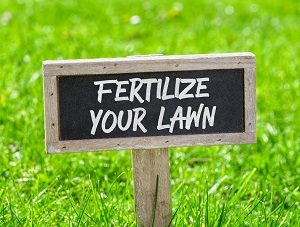
Your lawn is a living thing, and like all living things, it feeds. Your grass consumes nutrients from the soil for growth, coloration, and root strength. However, these nutrients are both finite and water soluble. As your lawn continues to grow throughout the seasons, it will gradually degrade in quality. Colors will fade, brown spots will form from poor root structure, and it will be harder to maintain. This is the key of seasonal lawn fertilization: to reintroduce these nutrients to the soil so your lawn can thrive.
Continue reading Why You Should Be Fertilizing Your Lawn
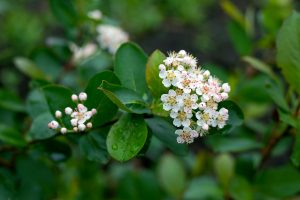 One of the keys to a thriving landscape is a healthy ecosystem. When it comes to adding plants to your garden, what do you think about? It might pay to learn more about native plant options for the success and ease of maintenance they will have in your landscape. In this article, we will further discuss the benefits of using native plants in your landscape. Continue reading 5 Benefits of Using Native Plants in Your Landscape
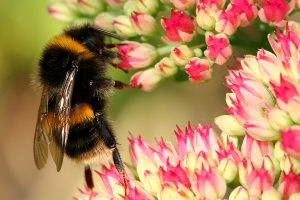 Pollinators – such as bees, butterflies, and hummingbirds – play a critical role in flower reproduction and fruit and vegetable growth. Planting a pollinator-friendly garden will not only contribute to your property’s aesthetic but with the dwindling numbers of pollinators, you’re helping to preserve their populations. Since planting and maintaining a pollinator-friendly garden can be a complex task, read about our helpful tips to get you started.
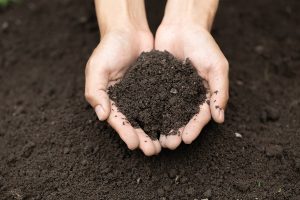 Soil is practically a living thing, as it will not produce if not properly fed. Sure, you can simply dig a hole and drop a shrub in it, but if your soil is inhospitable, you can count on that plant not surviving very long. Therefore, it is best to plan how to increase the habitability of your soil before spring arrives to ensure your lawn and garden is properly fed.
 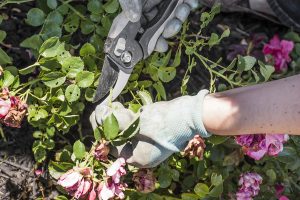 Are you struggling to keep your plants alive? Can’t figure out what you’re doing wrong? The solution may be as simple as trying a new technique, like deadheading. Properly deadheading your plants and flowers could help your garden flourish. Check out the rest of this blog to see how deadheading can work for you and your garden.
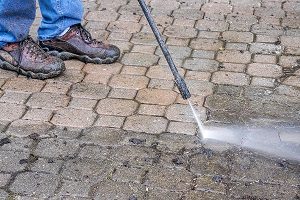 From patios to walkways and retaining walls, the hardscape on your property is both functional and beautiful. And while a well-made hardscape will last for years, it’s important to spend some time each year making sure it’s not only looking its best, but also still structurally sound. Below you’ll find some basic tips for maintaining your hardscape as well as making sure it stays beautiful for years to come.
 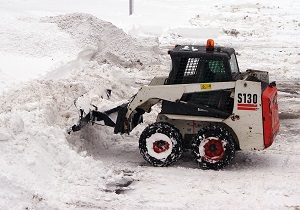 There are some seasonal things everyone puts off. Scheduling holiday plans, buying gifts, and maybe even getting all the summer gear stored around the house. But as a business, it’s much more vital to plan ahead and for every contingency. In New England, one thing every person and company must plan for is snow. This blog will go over why it’s vital for many businesses to have snow removal on standby to be able to remain functional and profitable when the Nor’easters start coming in.
 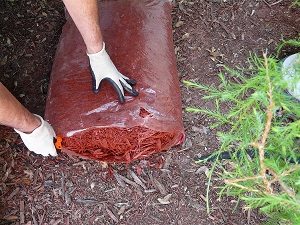 Mulch is a groundcover product made from tree bark and wood chips that is common both in residential homes and commercial centers. No one can deny that a mulch covering on a garden or planting display can provide great aesthetics to your landscape, but this is only one of the perks. Mulch isn’t just designed to improve the look of your landscaping, but to promote the health of your plants in several ways. Let’s look at three other ways mulch makes everything better.