
The end of summer doesn’t mean the end of garden and lawn care. Many homeowners think gardens and lawns need less care in the fall because crops and grass grow slowly, when in fact just the opposite is true. During fall, crops and grass are busily absorbing energy, moisture, and nutrients in preparation for a dormant winter. By getting started with your preparation earlier, you, your garden, and your lawn won’t have to worry so much about the early New England freezes. Take a look at what you can do in summer to ready your garden and lawn ready for fall. Continue reading Successfully Prepare Your Garden and Lawn for Fall
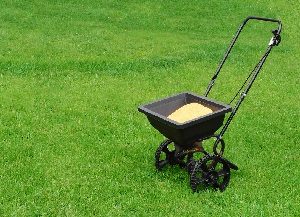 In a previous blog, we addressed
  When it comes to grass, you’ve always got options. From sod to seeding, you’re often looking at many species of grasses that fill diverse needs: from growing times, to weather resistance, to drought resistance – and that’s not even considering factors like their appeal or if they are invasive or native. However, most grasses do fit into one of two categories: warm season grasses or cool season grasses. This article is going to look at the two types of grasses, help you understand their differences, and help you find the right one for your project.
  Your lawn is a living thing, and like all living things, it feeds. Your grass consumes nutrients from the soil for growth, coloration, and root strength. However, these nutrients are both finite and water soluble. As your lawn continues to grow throughout the seasons, it will gradually degrade in quality. Colors will fade, brown spots will form from poor root structure, and it will be harder to maintain. This is the key of seasonal lawn fertilization: to reintroduce these nutrients to the soil so your lawn can thrive.