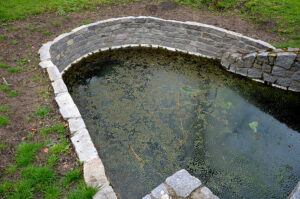
 New England is known for heavy rain spells, making it difficult for business owners with larger properties to manage all the stormwater. A flooded parking lot on your commercial or retail property can do much more than deter business; it can have adverse effects on water quality, cause erosion, and ruin your premise’s reputation. Let’s review how you can protect your commercial property by using retention and detention ponds to manage stormwater. Continue reading Using Retention and Detention Ponds to Manage Stormwater
Using Retention and Detention Ponds to Manage Stormwater
New England is known for heavy rain spells, making it difficult for business owners with larger properties to manage all the stormwater. A flooded parking lot on your commercial or retail property can do much more than deter business; it can have adverse effects on water quality, cause erosion, and ruin your premise’s reputation. Let’s review how you can protect your commercial property by using retention and detention ponds to manage stormwater. Continue reading Using Retention and Detention Ponds to Manage Stormwater

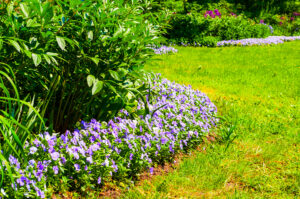 If you’re looking to lead an eco-friendlier lifestyle, your landscape is a good place to start. A sustainable landscape – one that takes advantage of native plants and erosion control – not only lowers your carbon footprint but contributes some stunning aesthetic to your property. Let’s review how you can build a sustainable landscape and contribute to the fight against climate change.
 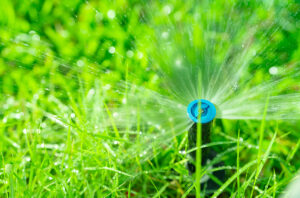 Finding the right balance between having a green lawn and not spending a fortune on water bills can be difficult. That’s why it’s important to properly zone your sprinkler system. Knowing how to best set your sprinkler system can ensure your grass, garden, and shrubbery are all getting the precise amount of water they need. While we here at Dolan Landscaping can help you properly zone your sprinkler system and use it to its fullest potential, let’s review the best way to organize a sprinkler system for maximum efficiency.
  If you read
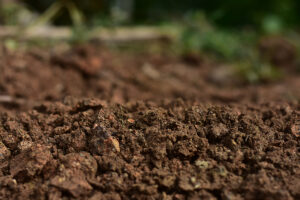
  Soil is an essential part of plant growth, but not all soil is the same. The different kinds of soil available to you contain different combinations of organic and inorganic matter as well as minerals. The type of soil you use in your garden or landscape can have a significant effect on what plants you can successfully grow. Let’s discuss three of these six different types of soil, along with what you can do to offset their shortcomings.
 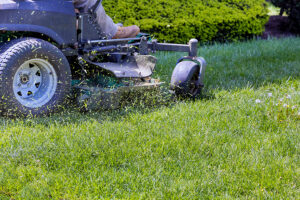 While we’re still fighting to get through February, spring is less than a month away, which means we’ll soon need to set aside time for our garden tasks. One task, in particular, you may be looking forward to or dreading is mowing your lawn, but in order to ensure your winter landscape recovery goes according to plan, you have to be careful about when you give your lawn its first clip of the year. Let’s discuss the most appropriate time to begin mowing your lawn.
 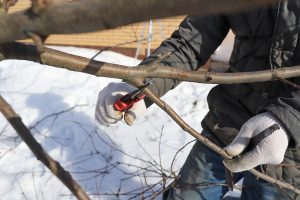 Although every tree has its own set of requirements for optimal growth, most benefit from proactive tree care in winter. During their dormancy in the cold-weather months, pruning can be used to ensure trees experience active growth come springtime. Removing dead or unhealthy branches and encroaching limbs can pave the way for more lively greenery or increase your fruit harvest. However, you must go about maintenance in the right way to achieve success. Let’s review some tips for pruning trees in winter.
 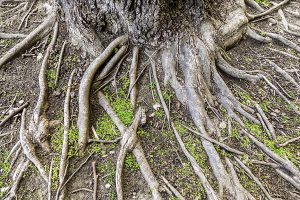 Not only can exposed tree roots cut into the aesthetic of your landscape, but they can also be a nightmare for lawnmower blades and hardscapes. Since cutting or pruning these roots can injure or kill the tree, it can be frustrating to find a solution that works best for your property. Fortunately, you have a few options at your disposal. Let’s take a look at some of the ways you can fix exposed tree roots.
  In New England, we’re used to severe temperature swings. As a local resident, you’re likely no stranger to roads, driveways, plants, and structures suffering damage as a result of hard frost. This phenomenon, known as frost heave, often occurs at the end of autumn, and it can spell disaster for your landscape and hardscapes. To avoid the havoc this can cause, let’s review some tips on how to prevent frost heave.