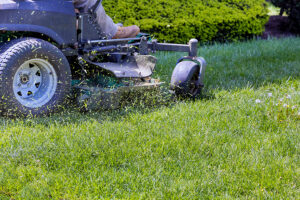
While we’re still fighting to get through February, spring is less than a month away, which means we’ll soon need to set aside time for our garden tasks. One task, in particular, you may be looking forward to or dreading is mowing your lawn, but in order to ensure your winter landscape recovery goes according to plan, you have to be careful about when you give your lawn its first clip of the year. Let’s discuss the most appropriate time to begin mowing your lawn.
Continue reading What Month Should You Begin Mowing Your Lawn?
 Spring has sprung. Do you have plans for your garden, lawn, and landscaping? Then it’s time to get started. Landscape maintenance in early spring means you’re giving a head start on everything to grow and reach peak potential by late spring and early summer. It also means you won’t wait too long, as damage to your landscape, lawn, trees, and plants can occur if left unchecked. Let’s go over what’s involved. Continue reading Getting Started with Landscape Maintenance in Early Spring
 When it comes to irrigation, no two properties are the same, especially when slopes come into play. Sloped landscapes present unique challenges, from runoff to inconsistent water distribution. That’s why choosing the right watering technique for your sloped landscape is essential for maintaining healthy grass, plants, and soil integrity. In this blog, we’ll break down efficient watering techniques for sloped landscapes to help you determine which method best suits your property’s needs.
  As sustainable landscaping grows in popularity, more homeowners are turning to rainwater collection systems to conserve water and reduce utility costs. These systems capture runoff—usually from rooftops—and store it for later use in irrigating lawns, gardens, and other applications. From basic rain barrels to more advanced underground tanks, rainwater harvesting offers an eco-friendly way to support your landscape. But like any investment, it comes with both benefits and challenges. Here’s what to consider before installing one on your property.
  Have you ever noticed how a single weed can take over your garden if left unnoticed? That same principle applies to your landscape—what starts as a minor issue can quickly escalate into an inconvenient problem, requiring lots of maintenance. Regular landscape inspections can help you catch problems early, ensuring your landscape stays beautiful and healthy all year round. In this blog, we’ll go over why regular landscape inspections are crucial and how they can help your landscape flourish.
  Spring is just around the corner; before we know it, all the snow will be melted, and it’ll be time to start tending to the gardens. Take a look around your yard: what are you growing this year? When you head to the nursery, your plant purchasing options come down to two primary categories: annuals or perennials. Today, we’re going to share the things
  If you’re looking to lead an eco-friendlier lifestyle, your landscape is a good place to start. A sustainable landscape – one that takes advantage of native plants and erosion control – not only lowers your carbon footprint but contributes some stunning aesthetic to your property. Let’s review how you can build a sustainable landscape and contribute to the fight against climate change.
  If you read
 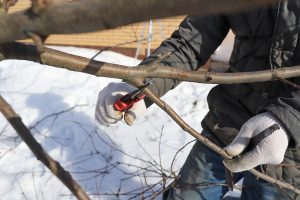 Although every tree has its own set of requirements for optimal growth, most benefit from proactive tree care in winter. During their dormancy in the cold-weather months, pruning can be used to ensure trees experience active growth come springtime. Removing dead or unhealthy branches and encroaching limbs can pave the way for more lively greenery or increase your fruit harvest. However, you must go about maintenance in the right way to achieve success. Let’s review some tips for pruning trees in winter.
  Not only can exposed tree roots cut into the aesthetic of your landscape, but they can also be a nightmare for lawnmower blades and hardscapes. Since cutting or pruning these roots can injure or kill the tree, it can be frustrating to find a solution that works best for your property. Fortunately, you have a few options at your disposal. Let’s take a look at some of the ways you can fix exposed tree roots.